
 English | EN
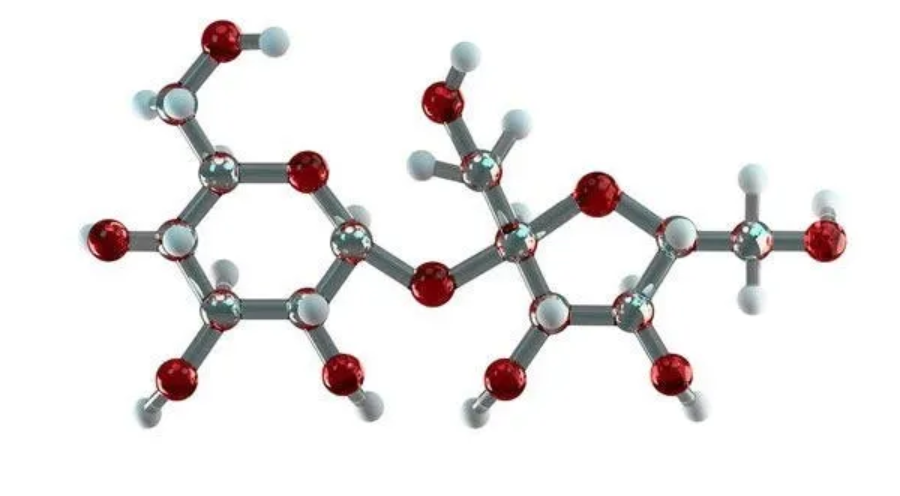
In early-stage drug discovery, researchers must evaluate thousands to millions of chemical compounds to identify those that bind effectively to a biological target. These compounds must also meet strict criteria for safety, absorption, distribution, metabolism, excretion, and toxicity (ADMET), as well as be synthetically accessible at scale. To manage this complexity, pharma companies rely on a suite of computational tools, including molecular dynamics simulations, quantum chemistry, and machine learning models. Each method contributes uniquely to predicting molecular behavior and optimizing candidate selection. Quantum computing offers the potential to accelerate specific, computationally intensive tasks, such as simulating quantum interactions in complex molecules-that are currently limited by classical hardware. However, its practical integration into drug discovery pipelines remains an open challenge. The key lies in identifying where quantum methods provide a clear advantage and how they can complement existing high-performance computing (HPC) and AI workflows. Even if quantum computers initially handle only small-scale problems, their strategic use could reshape how computational resources are orchestrated, accelerating the drug discovery pipeline from target identification to clinical trials, reducing costs through computational pre-screening and improving candidate selection with more accurate property predictions.
In an initial work with GSK, we demonstrated how quantum computing may be used alongside machine learning. In this work, we demonstrated a framework to predict molecular properties from a set of generated quantum features, which we refer to as a quantum fingerprint. This approach provides additional flexibility, allowing us to select features that are hardware-efficient, chemistry-inspired, or even data-driven. Moreover, the results do not need to be error-free as long as we can isolate the signal from the noise through post-processing with AI or other tools. We can obtain this fingerprint in several ways, either classically, through measurements in the lab, or even quantum computers.
Nonetheless, as the fingerprint represents quantum data, it’s an attractive idea to obtain the fingerprint using a quantum computer. In a subsequent work, we explored how we could run the simulations on a quantum computer, taking into account the limitations of near-term machines. In the linked paper, we demonstrate one of the largest electronic structure Hamiltonian dynamics calculations ever performed on quantum hardware. Through a series of compilation, transpilation, and application optimisation techniques, we demonstrated 15.5 times circuit depth reduction (or 28.5x assuming all-to-all connectivity). Although these computations are too much to handle for today’s quantum hardware, these approaches certainly bring a quantum advantage closer.
Together with GSK, we explored alternative methods too. In , we explored obtaining the quantum fingerprint — the problem of Hamiltonian simulation — using GPU-optimised tensor network emulators. Tensor networks are a widely used method in theoretical physics to study many-body quantum systems, and they increasingly find applications outside of physics too — such as model compression in machine learning. Nonetheless, our work demonstrated that the required bond dimension in matrix product state tensor networks grows rapidly with system size, effectively negating runtime advantages for larger, chemically relevant molecules. This study highlights the fundamental challenges in classically simulating complex quantum chemistry systems and contributes to the support the premise of irreplaceability of quantum computers to efficiently handle strongly entangled systems.